Our Blog
Perspectives on anesthesia and perioperative topics from Oklahoma Anesthesia Practitioners.
For Informational Purposes Only
The articles below are provided for general educational purposes only and are not a substitute for professional medical advice. Please read our full medical disclaimer before relying on any information found here.

July 27, 2026
Management of Surgical Patients with Heavy Vape Use
The rapid rise of electronic cigarette use over the past decade has created a growing population of surgical patients whose vaping history carries meaningful, if incompletely characterized, perioperative implications.
Read More
June 29, 2026
Anesthesiologists Assistants: Training, Role, and Impact
In the United States, anesthesiologist assistants work alongside anesthesiologists to deliver and monitor anesthesia for patients undergoing procedures. The profession involves rigorous training and regulation.
Read More
May 25, 2026
Colonoscopy With or Without Sedation
Colonoscopy is routinely implemented for colorectal cancer screening and the investigation of lower gastrointestinal symptoms. In the United States, the procedure is usually performed under sedation—typically moderate sedation with a benzodiazepine and opioid combination, or with propofol sedation.
Read More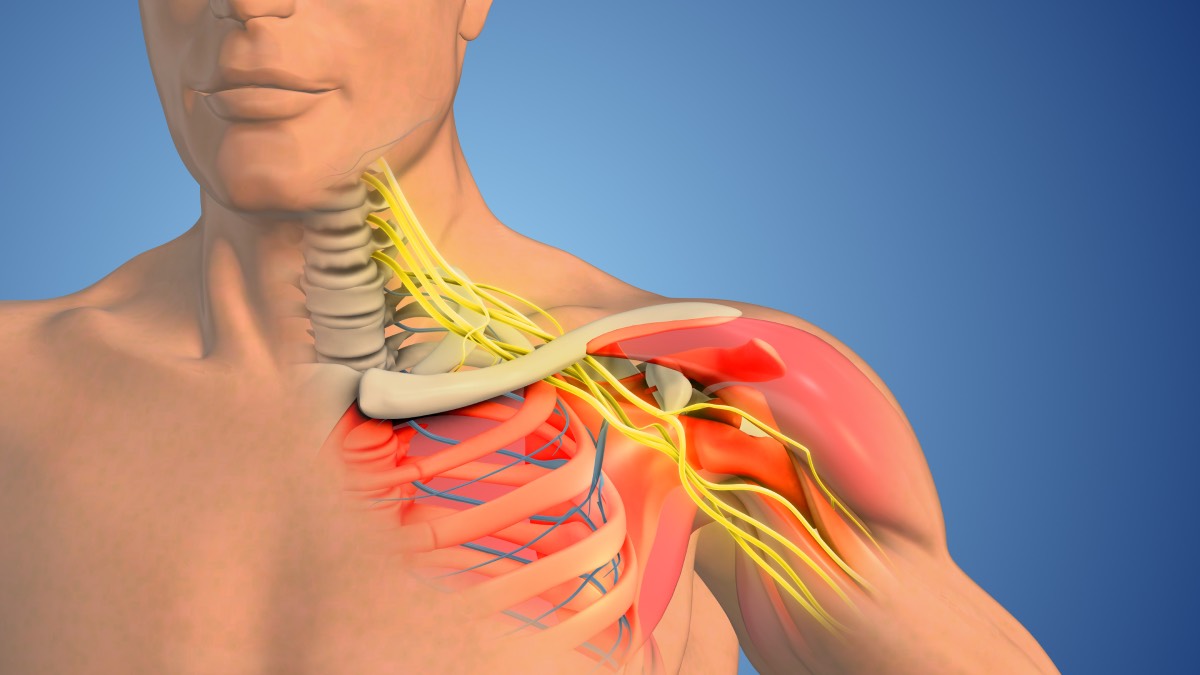
April 27, 2026
Bupivacaine vs. Ropivacaine for Interscalene Block for Shoulder Surgery
Interscalene brachial plexus block is the standard regional anesthetic technique for shoulder surgery, providing reliable perioperative analgesia while reducing opioid consumption and facilitating earlier discharge.
Read More
March 23, 2026
Alternatives to Opioid Analgesia for Gynecologic Procedures Under Moderate Sedation
Gynecologic procedures performed under moderate sedation, including hysteroscopy, dilation and curettage, endometrial ablation, oocyte retrieval, and minor vulvar or cervical interventions, have traditionally incorporated short-acting opioids.
Read More
February 16, 2026
Clinical Benefits of Etomidate in Modern Anesthesia
Etomidate is an intravenous hypnotic agent that has played a notable role in the history of modern anesthesia. Introduced in the 1970s, it was initially recognized for its hemodynamic stability and rapid onset of action.
Read More
January 13, 2026
Current Data on the Burden of Long COVID Symptoms
Long COVID, also referred to as post-acute sequelae of SARS-CoV-2 infection (PASC), has emerged as a significant public health concern since the onset of the COVID-19 pandemic.
Read More
December 2, 2025
Indications for Intravenous Albumin
Intravenous albumin is a concentrated solution of human serum albumin, the most abundant protein in blood plasma. Its primary physiological roles include maintaining oncotic pressure and transporting various molecules.
Read More
October 6, 2025
Regional Anesthesia for Orthopedic Surgery in Upper Extremities
Orthopedic surgery is among the fastest growing surgical specialties, with over 22 million orthopedic surgical procedures performed worldwide in 2017. Regional anesthesia has become a cornerstone of care.
Read More
August 20, 2025
Gas Induction of General Anesthesia: An Overview
General anesthesia is used to render a patient unconscious throughout a surgical or medical procedure. Induction of general anesthesia can be achieved using either intravenous agents or inhaled anesthetic gases.
Read More
July 9, 2025
Which Direction Should an IV Face?
Inserting a peripheral intravenous (IV) cannula is a routine clinical task, yet small details during placement can impact its function, comfort, and longevity. One such detail is the direction the bevel faces.
Read More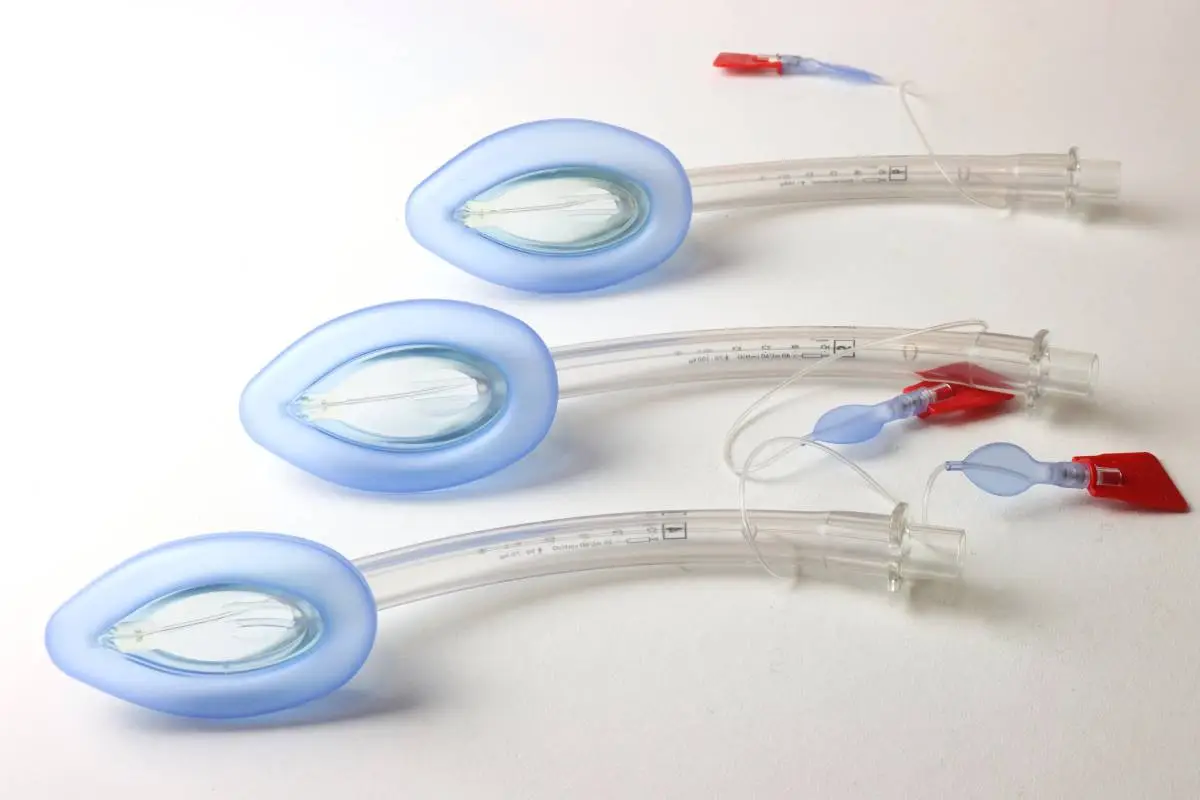
May 22, 2025
How Does A Laryngeal Mask Airway (LMA) Work?
A laryngeal mask airway is a medical device used to keep a person's airway open during anesthesia or unconsciousness. It plays a crucial role in airway management across a range of procedures.
Read More
March 25, 2025
Clinical Trials in Anesthesia
Clinical trials play a crucial role in advancing anesthesia practice, ensuring patient safety, and improving perioperative outcomes. These trials follow a structured system involving different phases of research.
Read More
March 10, 2025
AI Outperforms Doctors in Key Tasks: Rethinking the Future of Medicine
Recent studies have revealed that artificial intelligence (AI) systems are often more effective than human doctors in certain medical tasks, particularly in interpreting medical scans and diagnostic imaging.
Read More
March 7, 2025
Using Machine Learning to Repurpose Existing Medications
The process of drug discovery is notoriously time-consuming and expensive, often requiring over a decade of research and billions of dollars to bring a new medication to market.
Read More
February 10, 2025
Hemodynamic Stability of Propofol
Propofol, a commonly used intravenous anesthetic agent, is an integral part of modern anesthesia practice due to its rapid onset, short duration of action, and favorable recovery profile.
Read More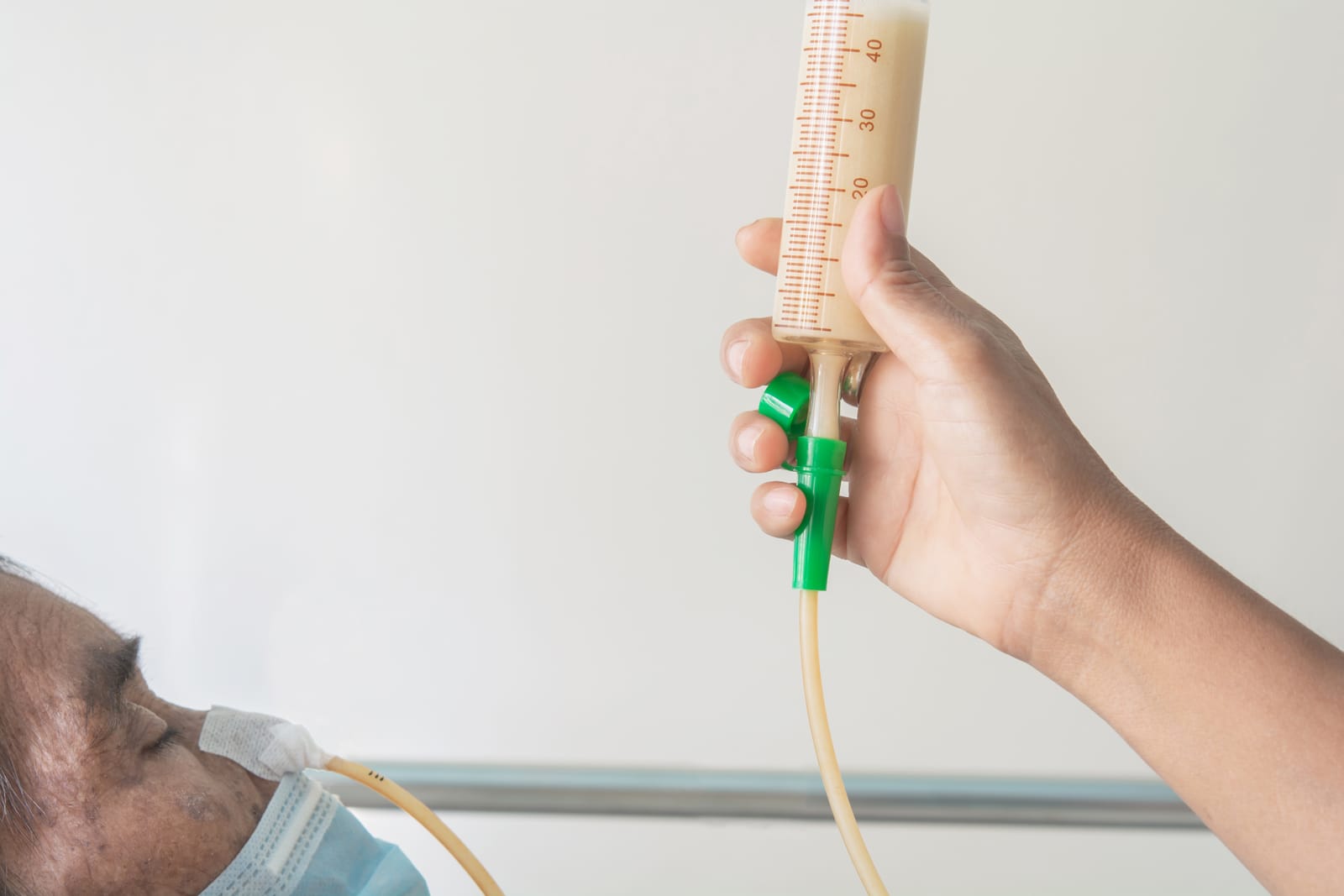
January 27, 2025
Nutritional Support in the Critical Care Setting
Nutritional support is a cornerstone of care in the critical care setting, playing a vital role in the recovery and overall outcomes of critically ill patients.
Read More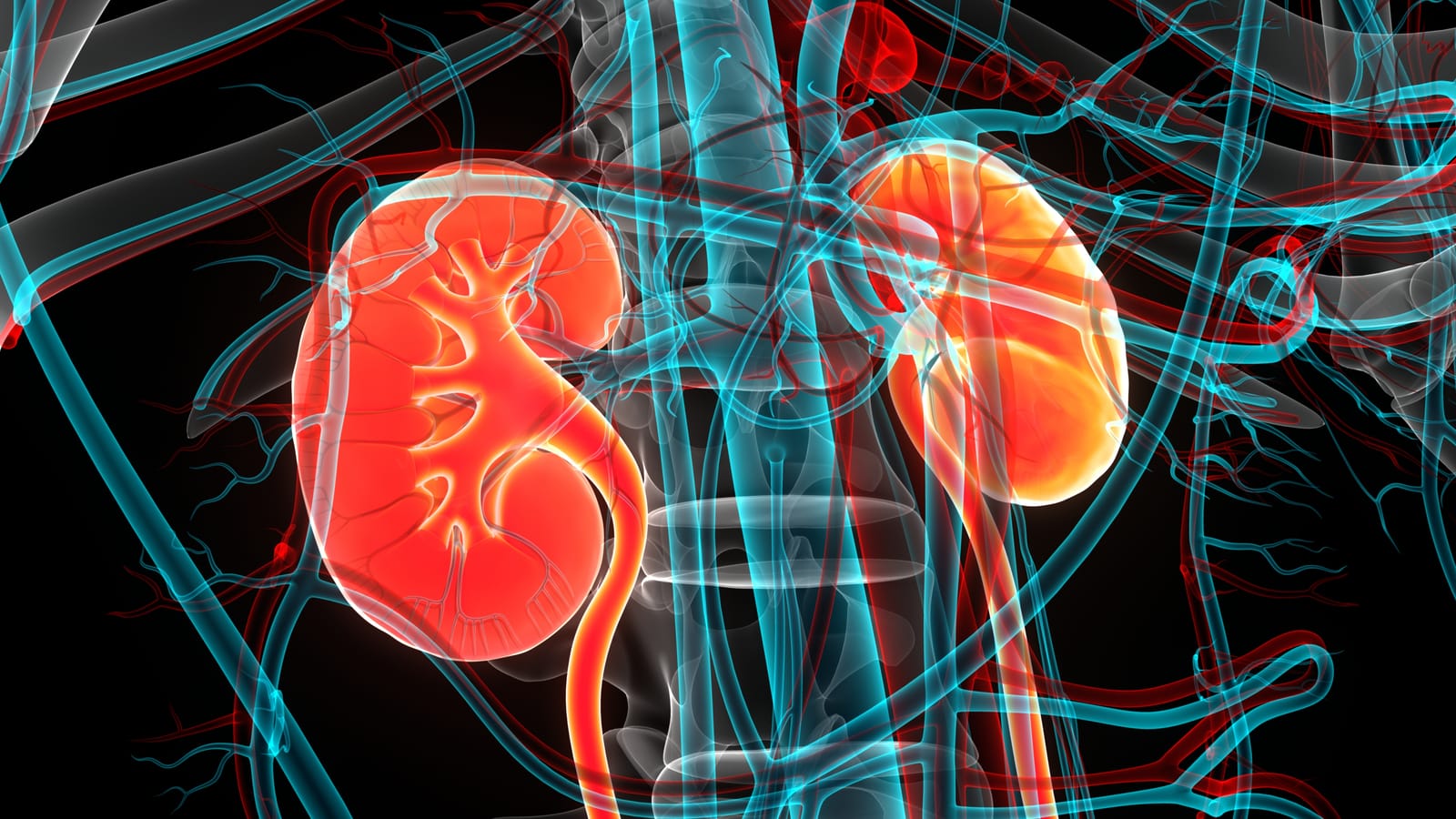
November 29, 2024
How to Avoid Intraoperative Acute Kidney Injury
Acute kidney injury (AKI) is a serious complication that can arise during surgery, significantly increasing morbidity, mortality, and healthcare costs. Defined by a sudden decline in kidney function.
Read More
November 20, 2024
Peripheral Nerve Stimulation for Perioperative Pain Management
Peripheral nerve stimulation (PNS) has emerged as a promising technique for managing perioperative pain. As the healthcare community continues to seek alternatives to opioid-based pain management.
Read More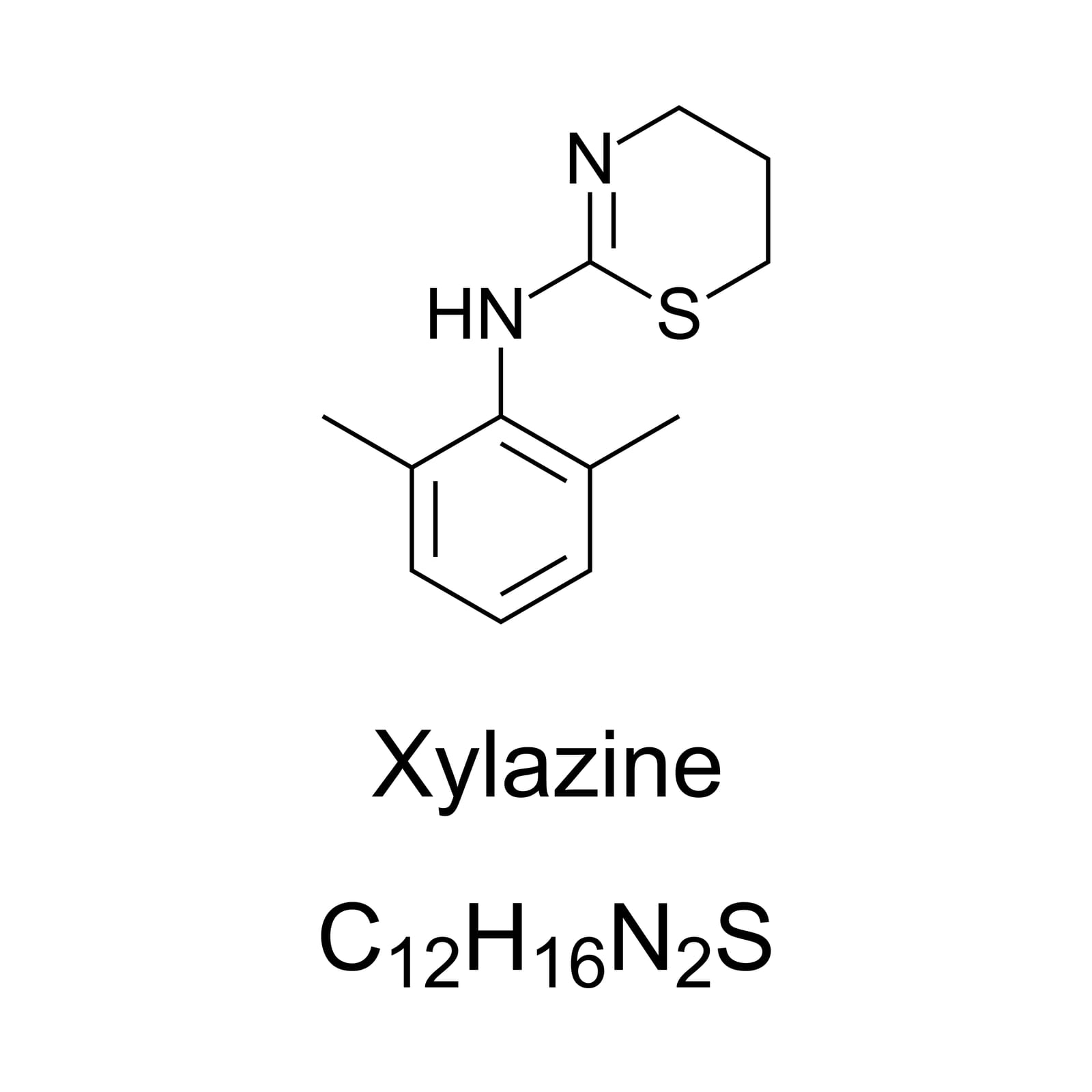
October 21, 2024
What is Xylazine?
Xylazine, a substance known for its sedative, analgesic, and muscle relaxant properties, is increasingly discussed in both veterinary and human medicine contexts. Originally developed as a veterinary sedative.
Read More
October 14, 2024
Using AI for Drug Repurposing
Drug repurposing, also known as drug repositioning, is a strategy in pharmaceutical development that involves identifying new uses for existing drugs. This approach can significantly reduce development time and cost.
Read More
October 10, 2024
Clevedipine in the Perioperative Setting
Clevidipine is a highly selective, short-acting intravenous dihydropyridine calcium channel blocker that has become a cornerstone in managing perioperative hypertension. Used extensively in the perioperative setting.
Read More
August 29, 2024
Management of Cardiac Arrhythmias During the Peripartum Period
The peripartum period, encompassing the final weeks of pregnancy and the time shortly after delivery, poses unique challenges for the management of cardiac arrhythmias. Changes in cardiac physiology during this time require specialized consideration.
Read More